

K-pop music isn’t just a genre; it’s a global phenomenon that’s taken the world by storm. With catchy tunes, dazzling choreography, and visuals that could make a statue weep, it’s no wonder millions are tuning in. From BTS to BLACKPINK, these groups aren’t just making music; they’re creating an entire culture that fans can’t resist.
Imagine a world where every day starts with a dance party and ends with a concert in your living room. K-pop delivers that dream on a silver platter, complete with vibrant aesthetics and addictive hooks. It’s a delightful mix of pop, hip-hop, and R&B that’ll have you humming along even if you don’t understand a word. So, whether you’re a seasoned fan or just curious, dive into the colorful universe of K-pop and discover why it’s the soundtrack of a generation.
Overview of K-Pop Music
K-pop music encompasses a diverse range of genres, including pop, hip-hop, R&B, and electronic music. Popular artists such as BTS and BLACKPINK showcase this dynamic blend, creating infectious melodies and engaging rhythms. Catchy tunes often feature powerful choruses that encourage audience participation.
Impressive choreography plays a crucial role in K-pop performances, with meticulously arranged dance routines that enhance the visual appeal. Each group’s unique style contributes to their identity, making their performances memorable experiences for fans. Visual aesthetics dominate K-pop, with vibrant music videos that capture attention and convey the artists’ concepts.
Cultural elements deeply influence K-pop music, intertwining fashion trends, beauty standards, and storytelling. The industry thrives on collaborations, leading to innovative sounds that continuously evolve. Global impact occurs as K-pop transcends borders, attracting listeners from various backgrounds and sparking international fan communities.
Social media serves as a powerful tool for K-pop artists, helping them connect with fans in real-time. Platforms like Twitter and Instagram facilitate engagement, allowing fans to participate in activities like voting for music awards or streaming competitions. In essence, K-pop music creates a sense of community, encouraging fans to share their passion and support their favorite artists.
The immersive experience K-pop offers resonates beyond just music. Fans engage in various activities, including fan meetings, online streaming parties, and merchandise collections. With its global footprint, K-pop continues to redefine the music landscape, shaping trends and influencing popular culture around the world.
The Evolution of K-Pop
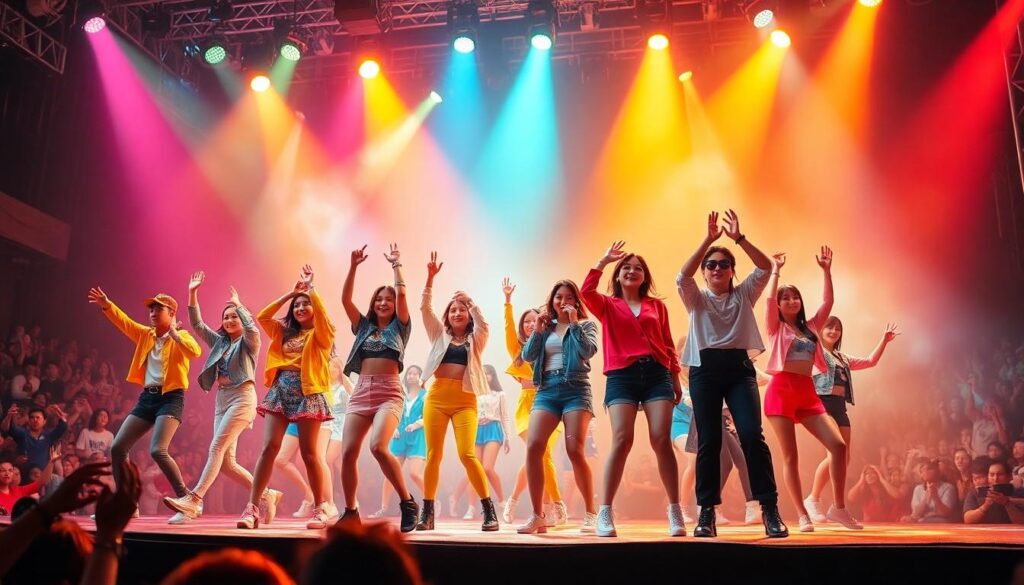
K-pop’s evolution showcases its growth from local entertainment to a worldwide phenomenon.
Early Beginnings
K-pop originated in the early 1990s with the emergence of groups like Seo Taiji and Boys. This group’s fusion of Western music styles with Korean lyrics set the foundation for future artists. Innovating blended genres, they laid the groundwork for modern K-pop. As a result, rookie groups began to emerge, incorporating various sounds to establish their identities. The first generation of idols introduced a new style that emphasized performance and visual appeal, attracting youth interest across South Korea.
The Hallyu Wave
The Hallyu Wave refers to the Korean cultural export phenomenon that gained momentum in the early 2000s. This wave propelled K-pop artists into international markets, influencing global trends in music and fashion. As artists crossed borders, they reached diverse audiences, contributing to K-pop’s growing popularity. Social media platforms enhanced this phenomenon by providing a space for artists and fans to interact. Collaborations with Western musicians further broadened K-pop’s appeal, solidifying its place in the world music scene. This cultural surge continues to reshape the entertainment landscape, bringing Korean culture to the forefront globally.
Key Characteristics of K-Pop Music
K-pop music showcases a unique blend of styles and captivating visuals that set it apart from other genres.
Genre Fusion
K-pop artists frequently combine elements from diverse genres, creating a sound that is innovative and appealing. Pop, hip-hop, R&B, and electronic music intertwine, resulting in tracks that engage a broad audience. Melodic hooks captivate listeners, while rhythmic beats inspire movement and dance. Groups like BTS and BLACKPINK exemplify this trend, experimenting with various influences to craft distinct sounds. Collaborations across genres enrich the music landscape, pushing creative boundaries and attracting fans from various backgrounds. Continuous evolution characterizes K-pop, as artists regularly adapt and integrate new trends to stay relevant and exciting.
Visual Aesthetics
Visual aesthetics play a pivotal role in K-pop, enhancing the overall experience for fans. Each music video serves as a visual narrative, blending stunning cinematography with choreographed performances. Vibrant colors, elaborate sets, and stylish outfits capture attention and add depth to the music. Concept changes accompany new releases, showcasing versatility and creativity. Iconic fashion statements influence global trends, with fans emulating their favorite idols’ styles. K-pop performances often include intricate dance routines that emphasize precision and energy, making each show a memorable spectacle. The combination of compelling visuals and music solidifies K-pop’s position as a cultural phenomenon, resonating with audiences worldwide.
Popular K-Pop Groups and Artists
K-pop boasts influential groups and artists, each contributing uniquely to the genre’s global reach and success.
BTS: Global Phenomenon
BTS elevates K-pop to unprecedented heights, known for blending genres like hip-hop, R&B, and pop. With their formation in 2013, they quickly gained acclaim for powerful vocals and intricate choreography. The group’s ability to connect emotionally with fans sets them apart. Hits like “Dynamite” and “Butter” broke numerous charts, showcasing their commercial success. BTS emphasizes meaningful lyrics, addressing themes like mental health and self-acceptance. International collaborations with artists like Halsey and Ed Sheeran expanded their audience further. In 2020, they made history by topping the Billboard Hot 100, proving their immense influence on the music industry.
BLACKPINK: Breaking Barriers
BLACKPINK stands out as a fierce force in K-pop, with their debut in 2016 marking the inception of a new era. Their unique blend of pop, EDM, and hip-hop captivates fans worldwide. Memorable tracks like “DDU-DU DDU-DU” and “Kill This Love” showcase their catchy hooks and striking visuals. The group’s strong presence in fashion elevates K-pop’s cultural status, engaging partnerships with luxury brands like Chanel and Dior. BLACKPINK’s groundbreaking collaboration with Selena Gomez on “Ice Cream” highlights their international appeal. As the first K-pop girl group to perform at Coachella, they continue to break barriers and pave the way for future generations of artists.
The Impact of K-Pop on Global Culture
K-pop significantly influences global culture, shaping various aspects of lifestyle and expression.
Influence on Fashion and Trends
K-pop artists are fashion icons, setting trends that fans worldwide eagerly adopt. BLACKPINK, for instance, collaborates with luxury brands, boosting fashion visibility. Their bold styles often inspire apparel collections that reflect iconic music videos. K-pop’s unique aesthetics also encourage fans to explore and redefine personal style, emphasizing individuality. Colorful outfits and intricate accessories become staples for many, underpinning how music intertwines with fashion. The fusion of visual and auditory elements in K-pop campaigns showcases talent beyond performance, captivating audiences and driving consumption patterns in the fashion industry.
Social Media and Fan Engagement
K-pop thrives on social media, creating communities where fans connect and share. Platforms like Twitter and TikTok amplify engagement by allowing real-time interactions with artists. Fans participate in voting for awards and promoting music through creative challenges and memes. BTS, for example, utilizes social media to build a dedicated global fan base, known as ARMY. They foster a sense of belonging through exclusive content and behind-the-scenes access. This engagement transcends traditional fandom, emphasizing community, support, and collaboration across borders while elevating the interactive experience of music consumption.
K-pop’s influence continues to grow, shaping not only the music industry but also global culture. Its unique blend of genres, stunning visuals, and engaging choreography create an experience that resonates deeply with fans worldwide. The genre’s ability to foster community through social media and interactive engagement further enhances its appeal.
As K-pop evolves, it remains a driving force in entertainment, inspiring new artists and trends across the globe. With its infectious energy and innovative spirit, K-pop is set to maintain its prominence and continue captivating audiences for years to come.

