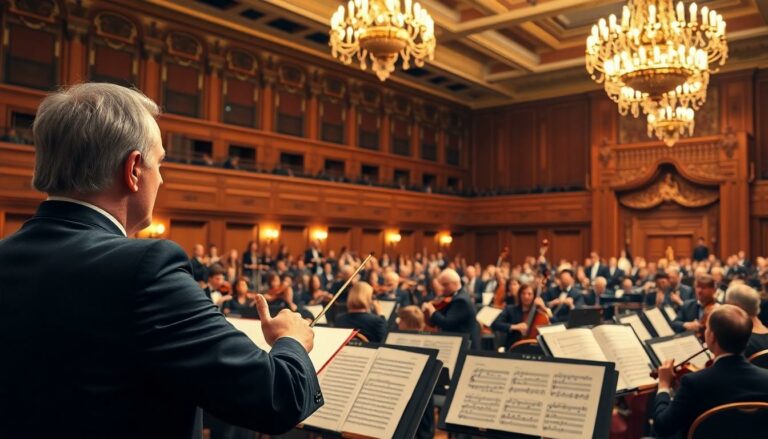
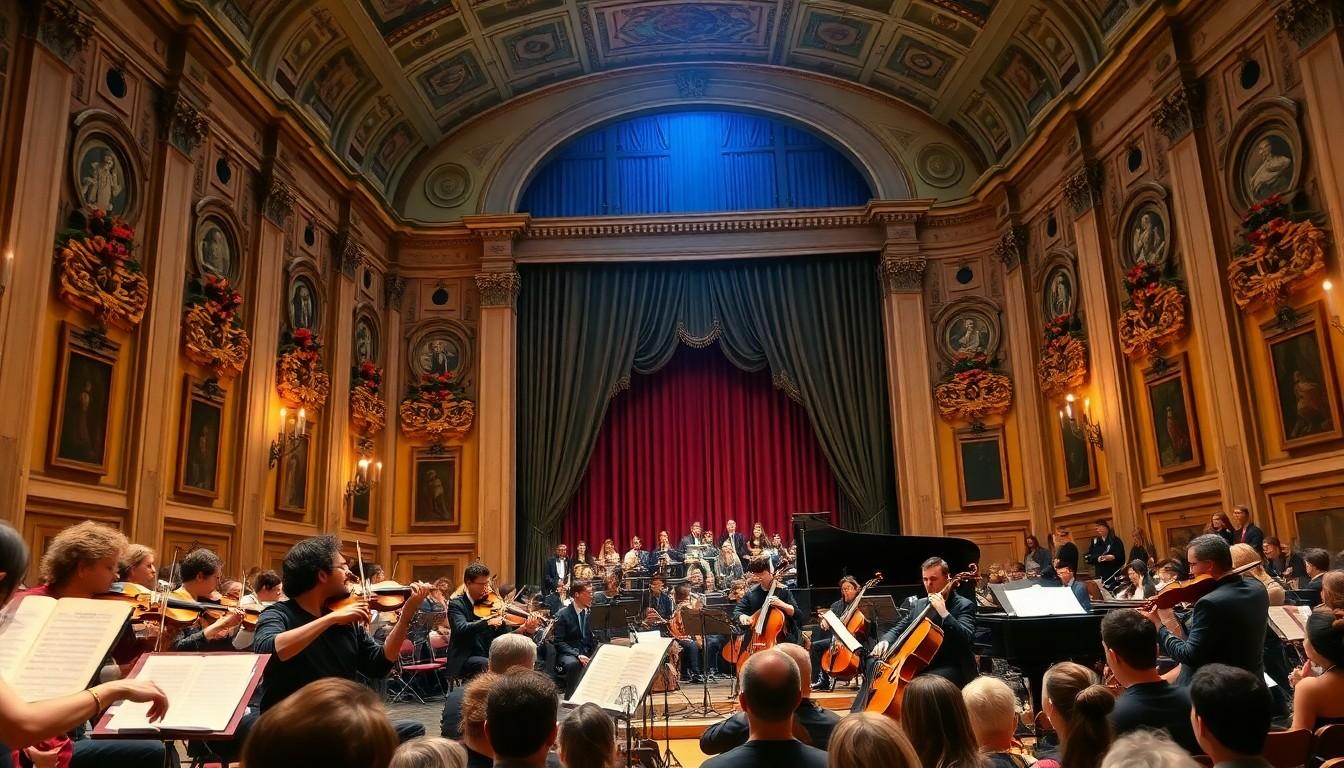
Italian classical music isn’t just a genre; it’s a passionate affair that dances through history with the grace of a prima ballerina. From the enchanting melodies of Vivaldi’s Four Seasons to the dramatic operas of Verdi, this rich musical tapestry weaves together emotion, culture, and a sprinkle of Italian flair. If you think classical music is just for stuffy concert halls, think again—this is the soundtrack to life’s most beautiful moments, and it’s just waiting for you to hit play.
Imagine sipping espresso while the haunting notes of Puccini fill the air, or getting lost in the intricate harmonies of a string quartet. Italian classical music has a way of making even the most mundane moments feel like a scene from a movie. So grab your favorite gelato, sit back, and let the captivating world of Italian classical music sweep you off your feet.
Overview Of Italian Classical Music
Italian classical music boasts a rich heritage that spans several centuries. This genre emerges from diverse cultural influences, showcasing the complexity and beauty of its melodies. Italy served as a cradle for musical innovation during the Renaissance and Baroque periods.
Notable composers like Antonio Vivaldi and Giuseppe Verdi made significant contributions to this rich tradition. Vivaldi’s “The Four Seasons” exemplifies the emotive power of Italian instrumental music. Verdi, on the other hand, revolutionized opera with works such as “La Traviata” and “Aida,” emphasizing dramatic expression and lush orchestration.
The interplay of lyrical melodies and intricate harmonies characterizes Italian compositions. Each piece often reflects regional styles, making the music deeply rooted in local culture and history. Italian classical music also integrates elements of religious themes, as seen in sacred choral works and oratorios.
Audiences experience Italian classical music not only in concert halls but also in everyday settings. Many find enjoyment in casual listening at home or through film scores that embody these timeless compositions. This accessibility broadens the appreciation of Italian classical music beyond traditional boundaries.
Cultural events like festivals and concerts further promote the vibrancy of this genre. They invite musicians and listeners to connect over shared passions, enhancing the cultural dialogue around Italian classical music. The genre continues to inspire modern composers and musicians, reflecting its enduring legacy and relevance today.
Key Composers In Italian Classical Music

Italian classical music boasts a rich tapestry of influential composers, each contributing unique sounds and styles that shaped the genre.
Early Influences
Renaissance and Baroque periods marked a significant evolution in Italian music. Composers like Giovanni da Palestrina laid the groundwork for polyphony with intricate vocal harmonies. The effects of folk traditions influenced many instrumental works, blending popular melodies with sophisticated forms. Early opera emerged during this time, driven by the efforts of figures such as Claudio Monteverdi, who added dramatic expression to music. This fusion of sacred and secular styles fostered an environment of creativity, setting the stage for later developments in Italian compositions.
Prominent Figures
Antonio Vivaldi stands out as a key figure, known for vibrant concertos, particularly “The Four Seasons,” which remains a staple of classical repertoire. Giuseppe Verdi transformed opera through emotionally charged works, including “La Traviata” and “Rigoletto,” emphasizing human experiences. Other notable composers include Giacomo Puccini, celebrated for his poignant operas like “La Bohème.” Their contributions reflect a deep understanding of melody and emotional depth, solidifying their places in music history. Each composer’s unique voice continues to resonate, influencing contemporary artists and shaping the landscape of Italian classical music.
Major Works And Contributions
Italian classical music showcases a wealth of significant compositions across various genres. Its operas and symphonies exemplify the artistry and innovation that define this rich musical tradition.
Operas
Operas play a crucial role in Italian classical music, with composers like Giuseppe Verdi and Giacomo Puccini leading the way. Verdi’s “Aida” captures grand themes of love and conflict, while “La Traviata” delves into the complexities of passion and sacrifice. Puccini’s “La Bohème” and “Turandot” display remarkable emotional depth, with memorable arias that resonate with audiences. These operatic works often highlight the unique blend of narrative and musical emotion, drawing from various regional styles. Notably, the combination of powerful orchestrations and lush melodies invites listeners into an immersive experience, emphasizing the enduring popularity of Italian opera.
Symphonies
Symphonies in Italian classical music reflect a dynamic evolution of the genre, beginning with composers such as Luigi Boccherini and continuing through the 19th century. Boccherini’s symphonic writing is characterized by elegance and innovation, while later composers like Giuseppe Verdi contributed symphonic music alongside his operatic masterpieces. The symphonies of Ottorino Respighi, particularly “Pines of Rome,” showcase a rich orchestral palette, blending evocative melodies with vibrant instrumentation. Italian symphonic music often draws inspiration from the nation’s landscapes and cultural heritage, creating a distinctive sound. Engaging orchestral arrangements evoke emotions that resonate with listeners, solidifying the importance of symphonic works within the broader context of Italian classical music.
The Evolution Of Styles
Italian classical music showcases a rich evolution of styles, reflecting cultural shifts through centuries.
Baroque Period
The Baroque period, spanning from 1600 to 1750, marked a significant transformation in musical expression. Composers like Vivaldi and Corelli emerged, emphasizing intricate melodies and bold contrasts. Vivaldi’s concertos, especially “The Four Seasons,” exemplify the period’s emotive power. Complex polyphony started gaining prominence, with figures like Giovanni Gabrieli showcasing innovative forms in instrumental music. The interplay of instruments and vocal lines created a unique texture, laying groundwork for future developments. This era’s deep emotional resonance captured audiences, establishing a foundation for the dramatic narrative found in later operas.
Romantic Era
The Romantic era, from the early 19th century to the early 20th century, introduced heightened emotional depth and individual expression in music. Composers such as Verdi and Puccini explored thematic richness, using music to convey profound human experiences. Verdi’s operas like “La Traviata” combined complex characters with rich orchestration, engaging audiences on multiple levels. Puccini’s works, including “La Bohème,” blended lyricism with realism, further appealing to emotions. The era also showcased orchestral innovations, demonstrating advances in harmony and orchestration. This stylistic evolution profoundly connected musicians with their audiences, emphasizing Italian classical music’s cultural significance.
Cultural Impact And Legacy
Italian classical music significantly influenced global music. Composers like Vivaldi and Verdi paved the way for operatic and concert traditions. Their works resonate deeply, showcasing powerful emotions and storytelling. Audiences from various cultures appreciate this genre, as it transcends boundaries and connects people.
Cultural festivals across Italy celebrate this legacy. Events feature live performances, attracting both local and international musicians. These gatherings nurture connections among artists and audiences, highlighting the music’s relevance. Learning about Italian classical music fosters appreciation for the country’s rich history and artistry.
Collaborations between contemporary musicians and classical artists further enhance this legacy. Modern interpretations of classic pieces introduce the music to new generations. Incorporating styles from other genres keeps the music vibrant and relevant. Artists utilize film scores or popular music that reference classical themes, creating a bridge between past and present.
Educational programs also play a vital role in preserving this music’s heritage. Many institutions include Italian classical music in their curricula, ensuring students recognize its importance. Workshops and masterclasses provide hands-on experiences, empowering aspiring musicians to engage with this rich tradition.
Additionally, the integration of Italian classical music into modern media expands its reach. Television shows and movies often feature compositions that evoke strong emotions. This exposure not only entertains but also cultivates curiosity about the composers and their works.
Overall, the enduring impact of Italian classical music on various art forms reinforces its significance in cultural conversations worldwide. Compositions continue to inspire and resonate across time, solidifying its place in the legacy of global music.
Italian classical music stands as a testament to the country’s rich cultural heritage and artistic innovation. Its emotional depth and melodic complexity continue to resonate with audiences around the world. Through timeless works and influential composers, this genre invites listeners to experience a wide range of human emotions and stories. As it evolves and integrates into modern contexts, Italian classical music remains a vital part of cultural discussions, ensuring its legacy endures for generations to come. The beauty and passion inherent in these compositions will always find a place in the hearts of music lovers everywhere.