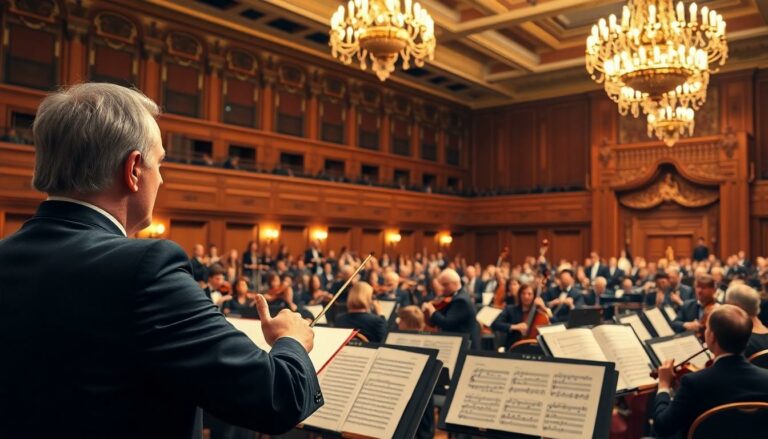

When you think of classical music, images of elegant concerts and serene symphonies might come to mind. But what if those haunting melodies had a darker twist? Enter the world of creepy classical music, where the notes dance with shadows and the harmonies send shivers down your spine. From eerie compositions to unsettling orchestral arrangements, this genre proves that not all classical music is created equal.
The Allure of Creepy Classical Music
Creepy classical music captivates audiences through its ability to evoke strong emotional responses. Eerie melodies create an atmosphere of suspense and tension, transporting listeners into darker realms of imagination. Unconventional compositional techniques, such as dissonance and unusual instrument combinations, contribute to the genre’s unsettling nature.
Many compositions stir feelings of dread and curiosity. For instance, pieces like Edvard Grieg’s “In the Hall of the Mountain King” showcase growing intensity that builds anxiety. Similarly, Camille Saint-Saëns’ “Danse Macabre” embodies a haunting narrative about death and the supernatural, illustrating how classical music can portray themes of horror.
In the realm of cinema, composers like Bernard Herrmann harness this allure. His score for Alfred Hitchcock’s “Psycho” remains iconic for its chilling strings, enhancing the film’s most terrifying moments. Artists frequently draw upon the dark aspects of classical music to amplify horror in visual storytelling.
Listeners often explore this genre during Halloween or haunted events, establishing a ritualistic connection to the music’s spine-tingling qualities. Curation of playlists featuring creepy classical pieces has gained popularity, allowing audiences to experience discomfort and thrill simultaneously.
Classical composers, ranging from Franz Liszt to Dmitri Shostakovich, paved the way for unsettling music that resonates with listeners today. Their ability to weave darkness into musical compositions highlights the genre’s versatility. Each haunting note invites exploration into the depths of human emotion, where the allure of creepy classical music truly resides.
Iconic Pieces That Send Chills

Creepy classical music includes several iconic pieces that evoke a sense of unease. The following compositions exemplify the darker side of the genre.
“Danse Macabre” by Camille Saint-Saëns
“Danse Macabre” captures a vivid scene where Death calls skeletons to dance. Saint-Saëns composed this work in 1874, using the xylophone to represent the rattling of bones. The eerie, playful melodies deliver a sense of haunting joy while building tension. The orchestration cleverly employs strings and woodwinds to enhance the unsettling atmosphere. This piece is often associated with Halloween, bringing life to spooky celebrations.
“Night on Bald Mountain” by Modest Mussorgsky
“Night on Bald Mountain” portrays a night of chaos and fear, characterized by its dramatic themes. Mussorgsky wrote this piece in 1867, inspired by folklore about a witches’ sabbath. The composition begins with a low, sinister sound that crescendos into a whirlwind of orchestral fury. Its shifting dynamics create an exhilarating ride through darkness, allowing listeners to experience raw emotion. This work frequently appears in films, solidifying its reputation as an iconic scary composition.
The Psychological Impact of Creepy Classical Music
Creepy classical music significantly influences emotional states and psychological responses. This genre often taps into primitive fears, invoking sensations of dread and anxiety.
Evoking Fear and Anxiety
Dissonance and unconventional instrument pairings amplify fear and anxiety in listeners. Compositions employ tension and unexpected changes in tempo, triggering visceral reactions. For example, “In the Hall of the Mountain King” creates an escalating sense of threat that can lead to heightened heart rates. Unnerving melodies entwine with unsettling harmonies, stimulating psychological discomfort. Reception varies among audiences; some embrace the thrill while others experience genuine unease. This emotional interplay contributes to the appeal of creepy classical music, captivating those drawn to fear’s psychological dimensions.
Enhancing Horror in Media
Creepy classical music enhances horror in films and television by setting an eerie tone. Iconic scores, like that of “Psycho,” utilize shrill strings to provoke anxiety and suspense. Directors often select disquieting classical pieces for key moments, enriching the visual storytelling experience. Compositions such as “Night on Bald Mountain” and “Danse Macabre” create an intense atmosphere that underscores the horror narrative. These musical choices resonate with audiences, deepening their emotional investment in frightful scenes. The enduring impact of creepy classical music in media demonstrates its power to evoke responses that intensify the overall horror experience.
Exploring the History Behind Creepy Classical Music
Creepy classical music has roots that trace back to early compositions that evoke unsettling emotions. Composers during the Romantic era began experimenting with dissonant harmonies and unconventional structures. This experimentation laid a foundation for music that captivates through its eerie qualities.
Examples of these compositions include Edvard Grieg’s “In the Hall of the Mountain King,” which conjures images of foreboding landscapes. Similarly, Camille Saint-Saëns’ “Danse Macabre” brings to life the macabre theme of Death summoning the dead for a dance. Melodies weave together an unsettling atmosphere that many listeners find exhilarating.
The influence of folklore and supernatural themes is prominent in these works. Modest Mussorgsky’s “Night on Bald Mountain” captures the chaos of a witches’ sabbath, intensifying feelings of fear and dread. These pieces reflect a fascination with darker narratives, appealing to both composers and audiences.
Psychologically, creepy classical music taps into primal fears, creating an emotional landscape that resonates deeply. Dissonance and unusual instrument pairings enhance sensations of anxiety. Listeners respond differently; some embrace the thrill, while others experience discomfort.
Noteworthy, too, is how this genre transcends concert halls, finding its way into film and media. Bernard Herrmann’s score for Alfred Hitchcock’s “Psycho” exemplifies how music can amplify horror. The shrill strings in the score heighten tension, making it iconic in the realm of frightful storytelling.
Creepy classical music continues to evolve, resonating with modern audiences. Its rich history of emotional depth and psychological impact ensures its enduring relevance. The exploration of this genre reveals a complex interplay between music and human emotion, reinforcing its place in both historical and contemporary contexts.
Modern Compositions and Their Influence
Modern composers continue to explore the eerie attributes of classical music, pushing the boundaries of the genre. For instance, works by contemporary artists often integrate electronic elements, enhancing the unsettling nature of traditional orchestration. Composers like György Ligeti and Arvo Pärt innovate with dissonant harmonies that evoke feelings of unease and tension, showcasing a clear evolution in sound.
Ligeti’s “Atmosphères” exemplifies this approach. The piece features dense clusters of sound that create an unsettling auditory experience. Similarly, Pärt’s “Fratres” employs silence and minimalism, inviting listeners to confront discomfort through stillness.
Film scoring reflects these trends as modern composers such as Hildur Guðnadóttir and Hans Zimmer utilize classical elements in their works. Guðnadóttir’s score for “Joker” includes haunting strings and dissonant tones, reinforcing the film’s psychological tension. Zimmer’s “Inception” integrates orchestral and electronic spheres, creating an immersive experience that heightens emotional responses.
Additionally, the rise of horror video game soundtracks uses classical influences to enhance atmospheric dread. Composers like Akira Yamaoka and Masahiro Shimomura draw on classical techniques to craft suspenseful soundscapes that captivate players. The unsettling musical elements amplify fear, creating an engaging experience.
Modern concert halls frequently showcase performances that emphasize the darker side of classical music. Artists curate programs that feature both traditional and contemporary pieces, inviting audiences to embrace discomfort. The combination of classical and modern compositions reveals a captivating dialogue, highlighting an ongoing exploration of eerie themes within the genre. This enduring fascination with creepy classical music reflects a complex interplay between tradition and innovation.
Creepy classical music stands as a testament to the genre’s rich diversity and emotional depth. Its ability to evoke feelings of dread and curiosity captivates listeners, drawing them into a world where unease reigns. The unsettling melodies and unconventional techniques challenge traditional perceptions, proving that classical music can be both haunting and thrilling.
As composers continue to innovate, the exploration of eerie themes remains vibrant, ensuring that creepy classical music will resonate with audiences for years to come. Whether in film, concerts, or personal playlists, this genre invites listeners to confront their fears through sound, creating an unforgettable experience that lingers long after the final note.