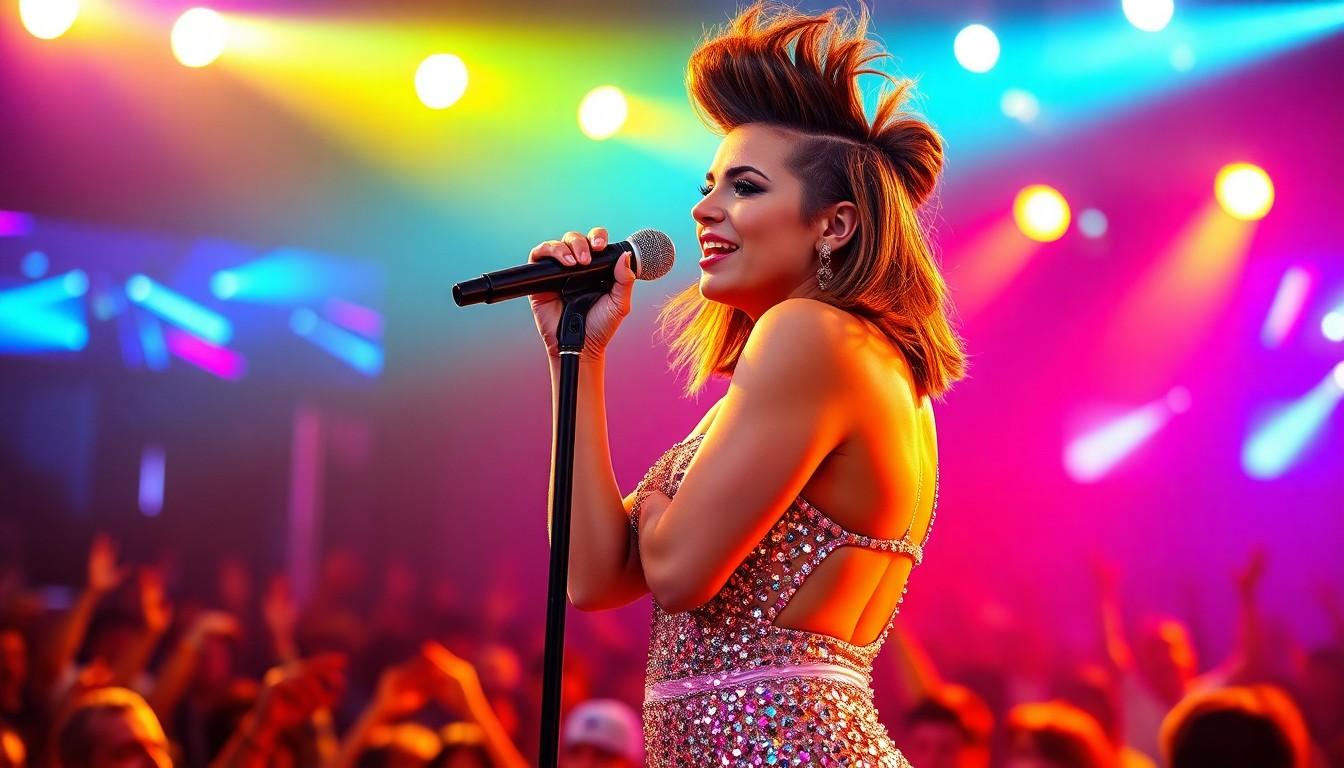
Pop music isn’t just a genre; it’s a vibrant cultural phenomenon that shapes trends, influences fashion, and even sparks dance moves. From catchy hooks to infectious beats, pop music symbols are the icons that define eras and resonate with fans around the globe. Think of them as the glittering lights of a concert stage, drawing everyone in with their magnetic charm.
Overview of Pop Music Symbol
Pop music transcends its status as a genre, acting as a cultural symbol of shared experiences and collective identity. Iconic artists generate unforgettable symbols that resonate deeply with fans. Memorable fashion trends often emerge from pop music, influencing styles embraced by youth globally. Various symbols, such as specific logos, attire, and dance moves, capture the essence of different eras in pop culture.
Cultural movements often emerge alongside pop music, intertwining messages of social change and personal expression. Artists frequently leverage their platforms to address pressing issues, cementing their symbols in societal narratives. For example, the rainbow flag has become synonymous with inclusivity through its association with movements endorsed by pop icons.
Every era showcases its own set of symbols that define its unique characteristics. The 1980s brought flashy attire and synthesizer sounds, while the 1990s highlighted grunge aesthetics and hip-hop influences. Each period reflects the prevailing attitudes and cultural shifts of the time, linking artists and fans in a collective memory.
Digital platforms play a crucial role in the evolution of pop music symbols, enabling rapid dissemination across diverse audiences. These online spaces allow symbols to virally spread, cementing their place in global culture. Memes and viral videos emerge as modern interpretations of traditional symbols, showcasing how pop music continues to adapt.
Acknowledging these symbols allows fans to connect emotionally with the music. From album covers to stage performances, each representation enriches the experience, inviting a communal celebration of sound and creativity. Their significance underscores how pop music shapes societal views and personal connections on a global scale.
Evolution of Pop Music Symbols

Pop music symbols reflect the dynamic changes within the genre over time. They evolve alongside societal shifts and cultural movements, representing significant artistic expressions.
Historical Context
The origins of pop music symbols trace back to the mid-20th century. Artists like Elvis Presley and The Beatles introduced fashion styles and iconic imagery that captured the spirit of their times. In the 1970s, disco culture emerged with glittery outfits and dance-centric symbols. The 1980s showcased bold fashion choices and extravagant performances from stars like Madonna and Michael Jackson. Each decade brought forth its own unique elements, influencing collective identity and youth culture significantly. These historical symbols serve as markers for various social movements and artistic transitions, capturing the essence of their eras.
Modern Interpretations
Modern interpretations of pop music symbols thrive in the digital age. Social media platforms amplify certain symbols, enabling trends to gain rapid popularity. Memes and viral videos become new forms of representation, showcasing artists, styles, and cultural references instantaneously. Collaboration between artists leads to innovative symbols that resonate with audiences worldwide. The use of hashtags and emojis has also transformed how fans engage with music, enriching cultural connections. Additionally, inclusivity, highlighted by symbols like the rainbow flag, continues to grow, reflecting broader societal values within the pop music landscape.
Icons and Their Meanings
Pop music symbols carry profound meanings that resonate with audiences worldwide. They emerge as integral aspects of cultural identity, reflecting societal values and trends.
Notable Pop Music Symbols
Iconic symbols in pop music include the microphone, sunglasses, and the high-heeled shoe. The microphone represents performance and the power of voice for artists. Sunglasses often signify glamour and celebrity status, seen frequently in the style of stars like Elton John. High-heeled shoes, associated with female pop icons such as Beyoncé, embody confidence and femininity. Logos like the lightning bolt of David Bowie or the smiley face from The Smashing Pumpkins also encapsulate distinct identities, providing fans with recognizable emblems of their musical eras.
Cultural Significance
Cultural significance of pop music symbols shines through their ability to unite communities. The rainbow flag stands out as a representation of LGBTQ+ inclusivity, widely embraced by pop artists like Lady Gaga. Symbols also evolve with trends, capturing the spirit of movements such as feminism and social justice. For example, the raised fist signifies empowerment, rooted in various artistic expressions throughout history. These representations serve as pivotal connections, allowing fans to relate deeply with the music and the artist’s message, thus reinforcing community and shared experiences.
The Impact of Pop Music Symbols on Society
Pop music symbols profoundly influence society by shaping cultural identities and reflecting social values. They serve as visual cues that connect fans with music and artists, generating emotional bonds. Artists often utilize symbols to promote inclusivity, as seen with the rainbow flag, which has become a prominent emblem within the LGBTQ+ community through endorsements by various pop icons.
Memorable fashion trends emerge directly from these symbols. Items like oversized sunglasses and high-heeled shoes frequently represent confidence and glamour, especially among female artists like Beyoncé. Each era’s distinct symbols, such as Elvis Presley’s style or Madonna’s bold fashion during the 1980s, encapsulate the prevailing cultural attitudes.
Social movements intertwine with pop music symbols, allowing artists to address significant issues. The raised fist, for instance, embodies empowerment and has become synonymous with various social justice movements. Communities rally around these representations, fostering a sense of unity among fans.
Social media amplifies the reach of pop music symbols. Platforms enable rapid dissemination of trends through viral content, memes, and hashtags. Collaborative efforts among artists create new symbols that resonate across different demographics, engaging fans worldwide.
Cultural significance arises from the multifaceted meanings of symbols. Certain logos, such as David Bowie’s lightning bolt, provide immediate recognition and nostalgia for fans. These emblems not only reflect musical eras but also capture the essence of collective identity, making them integral to the pop music landscape.
The interplay of symbols and societal narratives shapes cultural connections. As trends and movements evolve, so do the symbols associated with them, keeping the conversation around pop music and its impact dynamic and relevant.
Future Trends in Pop Music Symbols
Anticipating future trends reveals how pop music symbols will evolve in response to changing cultural landscapes. Emerging artists increasingly embrace digital creativity, leveraging platforms like TikTok to shape their visual identities through innovative symbols. As societal values shift, symbols representing inclusivity and social justice gain prominence, fostering connections with diverse audiences.
Collaborative efforts among artists will lead to unique symbol development, reflecting the blending of genres and cultural influences. Iconic partnerships may produce fresh imagery, capturing the spirit of cooperation within the music industry. With the rise of virtual performances, digital avatars and animated symbols will likely grow in significance, bridging gaps between artists and fans in immersive environments.
New fashion trends will emerge alongside musical innovations, with influences drawn from various global cultures. Clothing items, accessories, and visual aesthetics will reflect a richer tapestry of influences, appealing to a broader audience. Environmental consciousness may shape symbols reflecting sustainability, highlighting artists committed to making a positive impact.
Social media engagement cements relationships between fans and symbols, paving the way for viral trends that can reshape cultural narratives. Hashtags and emojis continue to facilitate connections, simplifying the expression of fandom and building community. The ability to participate in shared experiences through interactive symbols strengthens emotional ties between artists and fans.
Notable symbols may emerge as conduits for dialogue on pressing issues like mental health, equality, and climate change. These representations provide artists a platform to initiate conversations that resonate with their audience. As pop music genres continue to evolve, enduring symbols will capture the essence of contemporary movements, ensuring artists remain relevant in a rapidly changing cultural landscape.
Pop music symbols are more than just visual representations; they’re powerful connectors that shape cultural identity and reflect societal values. As trends evolve and new artists emerge, these symbols will continue to adapt, resonating with fans on deeper levels. The interplay between music, fashion, and social movements ensures that pop music remains a vibrant force in cultural conversations.
With the rise of digital platforms, the future of pop music symbols looks promising, as artists harness creativity to engage and inspire their audiences. By embracing inclusivity and addressing pressing issues, these symbols will foster community and shared experiences, keeping the spirit of pop music alive and relevant.